
Delivery note · Published September 4, 2025 · Updated June 18, 2026
What to handle on the day furniture arrives.
This page does not book a truck or send a crew. It is the household side of someone else’s delivery: the path, the cartons, and the paper.

-
01 · The day before
Clear a route you already measured
Use the sheet from the measuring note. Walk the route with nothing in it: shoes, plants, a rug corner, a kid’s bike. Protect floors if you want them protected. A building may require runners in the hall. Ask before you invent a method. Pets and small children do not belong in a path where a carton is turning.
If you live in a multi-unit building, the day before is when the elevator reservation and the loading rules are either done or not. Building access lists the questions. A delivery window from a seller is their window. This site does not change it.
-
02 · The route, again
Doors, rugs, and the last turn
Open every door on the route and look at the clear gap, not the door’s name. Pull up a rug that will bunch. A threshold you forgot is still a threshold. If the numbers say the piece will not pass, stop before anyone forces it through a finish. Forcing a sofa through a jamb you do not own is an expensive way to learn the measuring page.
-
03 · Meeting the delivery
You are receiving goods, not hiring this website

Count pieces against the seller’s list while the cartons are still in front of you. Know how many cartons the seller said to expect. Know which room they go to. If a crew is assembling, they need floor space larger than the piece and a clear spot to stage hardware. Point them at that room. You do not have to let a route be improvised through a room you wanted left alone.
Parking and the lobby are the building’s and the city’s business. Have the answer you got from management. Do not assume a seller’s truck can stand wherever the photo on their site shows a truck standing.
-
04 · Looking at the goods
Corners, water, and finish
Before anyone leaves, look. Crushed corners, a torn carton with the board inside dented, water staining, a finish crack on an assembled piece, a missing carton against the count. Photograph the damage and the label. A photo of a perfect carton is also useful if a problem shows up after the wrap comes off, because it records the condition at the door.
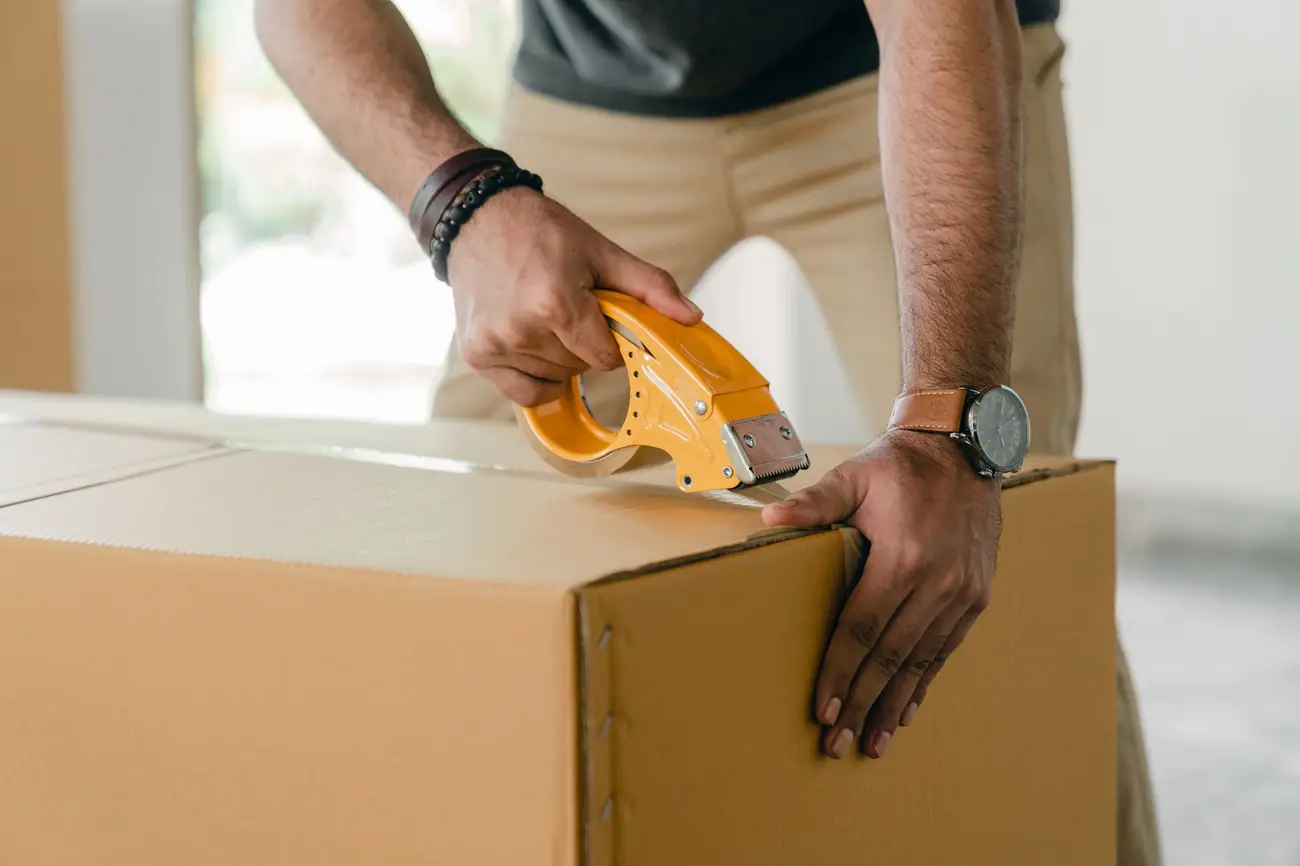
A carton can look tidy and still hide a crushed corner. Look at edges, not only the face. If something is wrong, use the seller’s own process for damage or shortage. accessonline is not the seller and cannot open a claim, replace a part, or refund a purchase we never made.
-
05 · Paper
Read what you are asked to sign
A signature often says you received the delivery in a certain condition. If you have not looked, do not treat the signature as a formality. Note damage on the paper if the form has a place for it, and keep a copy or a photo of what you signed. If you do not understand a line, ask the person presenting it what it means before you sign. They may not be able to change the seller’s terms. You can still decline to sign a statement you believe is false.
-
06 · After the doorway is clear
Hardware bags stay together
Move cartons out of exits. Keep hardware bags with the piece they belong to. A mixed bowl of screws from two products is how a cam lock gets replaced with the wrong bolt. If the maker asks you to let a wood piece sit in the room before assembly, follow that sheet. The materials note explains why climate matters, and it does not invent a waiting time the maker did not write.
Assembly starts with the drawing, not with the first panel that looks familiar. How to read that sheet is the next note.
The hour before the truck, and the hour after it leaves
Delivery day goes badly in predictable ways, and most of them are visible the day before. Walk the route you measured with nothing in your hands and notice what has drifted into it since you wrote the sheet: a shoe rack, a stroller, a recycling bin, a door that is usually open. Put those things where they will not be for the length of the delivery. Clear a landing inside the destination room that is larger than the cartons, not merely larger than the finished piece. Cartons are the objects that arrive. The finished piece is a later shape.
Protect floors and corners you are responsible for, and ask the building what it requires in a common hall. A household blanket is not automatically the protection a house rule names. If you rent, the hall finish is often not yours to scratch and not yours to decide about. Pets and children out of the route is not a courtesy. It is how a tall carton stays upright while someone turns it.
Count, look, and write before anyone is in a hurry
Match the number of cartons to the paperwork before the first one is opened. A missing carton is easier to talk about while the truck is still downstairs than after the crew has left and the count is a memory. Look at corners, edges, and any stain that might be water. Photograph damage and photograph a sound carton too, so you have a record of condition at the door. Open assembled pieces far enough to see a cracked finish. You do not have to fully unpack a flat carton in the lobby if the building wants the lobby clear, but you do have to look before you sign a sentence that says you received everything in good condition.
Read the paper. If a line says the goods were inspected and accepted, and you have not inspected them, do not treat the line as a formality. Note damage where the form allows a note, and keep a photo of what you signed. If you do not understand a sentence, ask what it means. The person presenting it may not be able to change the seller’s terms. You can still decline to sign a statement you believe is false. accessonline is not the seller, cannot open a claim, and cannot replace a part.
After the doorway is clear
Move cartons out of exits as soon as they are inside. Keep each hardware bag with the carton it came from. A bowl of mixed screws from two products is how the wrong bolt ends up in a cam. If the maker’s sheet tells you to let a wood piece rest in the room’s climate before assembly, follow that sheet. This site does not invent a waiting time the maker did not write. The materials note explains why indoor climate shows up in wood, and it still defers to the product’s own instructions.
Then stop for the drawing. Assembly is not the next burst of energy. It is a reading job. If the piece is tall, decide the wall and the anchor before the case is full. Anchoring and the assembly sheet are the notes for that part of the day. The route you cleared can be put back only after the cartons are no longer standing in it.